
Cognitive Behavioral Affective Therapy (CBAT) for anger management
What is Anger?
That familiar feeling of being wronged or mistreated and the urge to correct or undo the wrongdoing. There’s a word for it in almost every language — ira in Latin, krodah in Sanskrit, and anger in English.
When is Anger Dysfunctional?
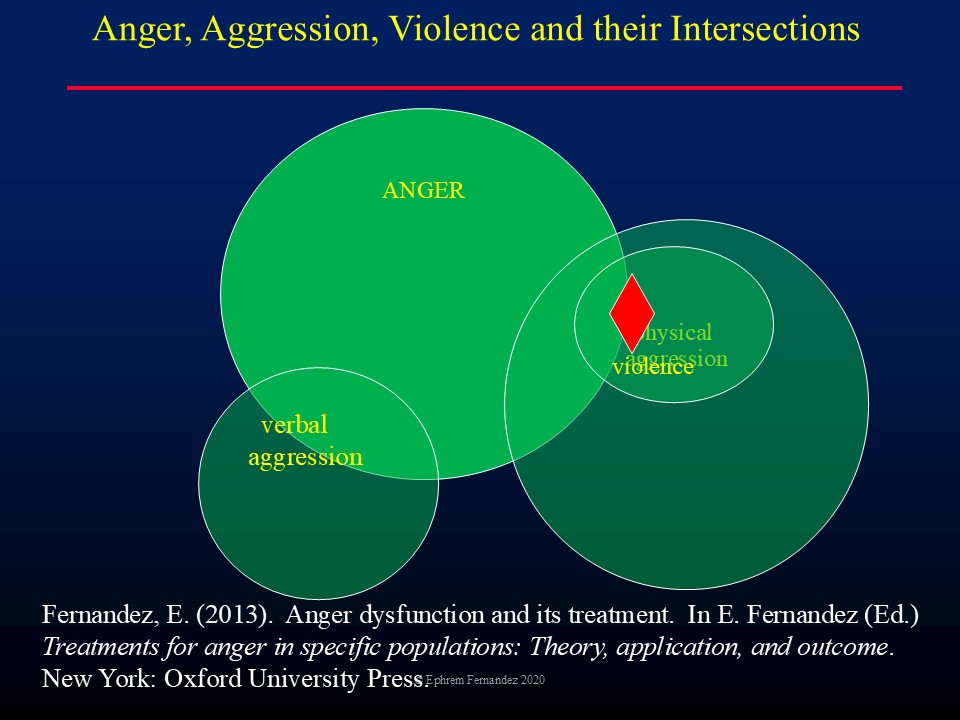
Anger is natural and serves a function but it can also become dysfunctional, adding to the risk of medical ailments e.g., high blood pressure, coronary heart disease, headaches, and gastrointestinal disorders. In terms of mental health, anger is often a key element in conflict at home, in the workplace, or the community. At it worst, anger often manifests as aggression and violence but it can be equally maladaptive when suppressed or expressed in passive indirect ways.
How can maladaptive anger be treated?
Fortunately, major advances have occurred in anger regulation or anger management as it is popularly called. Foremost among these is CBAT or Cognitive Behavioural Affective Therapy.

What is CBAT?
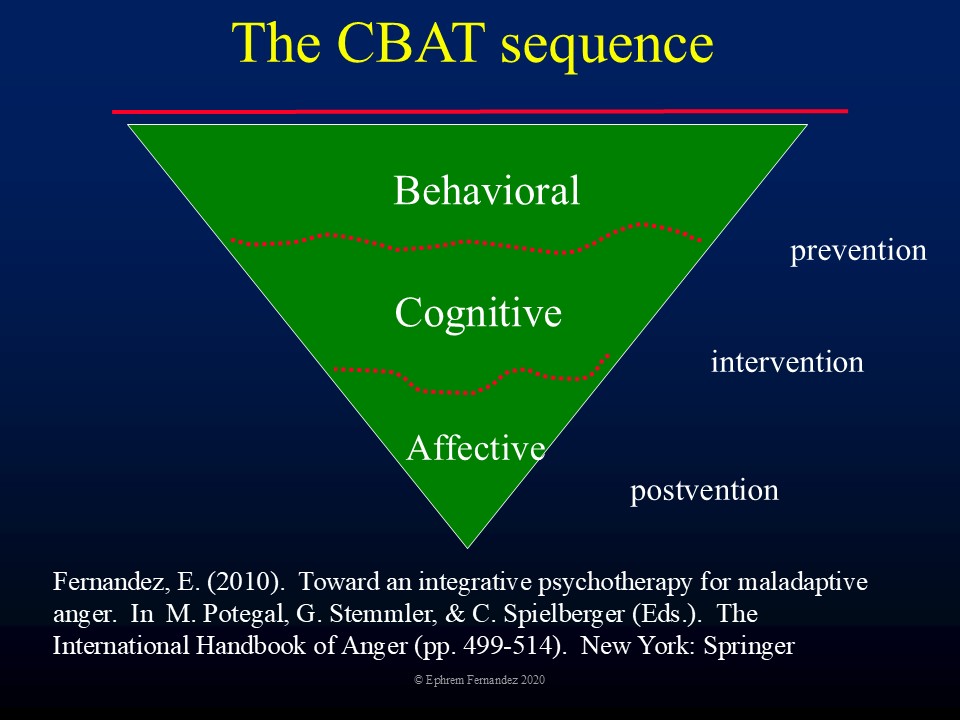
CBAT is a highly enhanced and integrative program of numerous cognitive, behavioral, and affective techniques that are carefully sequenced into phases of psychoeducation, prevention, intervention, and postvention. These are delivered online (or in-person) in two sessions per week for 4 weeks. There is also an orientation session at the start and follow-up session at the end.
CBAT for Regulating Anger
Anger, Aggression, Violence, and their Intersections
What Elicits Anger?
Insult, affront, rudeness
Insensitivity, indifference
Deception, betrayal
Abandonment, rejection
Breach of agreement or promise
Ingratitude
Exploitation
Ineptitude
Inconvenience
Assault
How Is Anger Expressed?
There are six dimensions of anger. Each with it's own endpoints. LINK
How Is Anger Treated by CBAT?
How effective is CBAT?
CBAT is backed up by research evidence from several studies published over at least two decades. Evaluated using a new generation of psychometric assessments and daily logs of self-monitored anger, CBAT has been demonstrably effective in college students, chronic pain patients, individuals with substance dependence, and community samples.
What can you get out of this program?
For all those completing the program, a certificate is presented. This may meet requirements for various institutions including court-mandated anger management. Most importantly, the overriding goal is self-improvement.
The less anger, the more capacity for joy. Yes, in individuals and in the world, the less anger, the greater awareness and capacity for positive emotions.

Could CBAT Be Right For You?
Is anger adversely affecting your relationships?
Are you personally concerned about your anger?
Have others pointed out your anger?
Has your anger expression led to any legal consequences?
Are you keen to improve in ways to prevent and reduce anger?
If you answered “yes” to any of the above questions, more in-depth assessments can help identify your particular strengths and weaknesses. You may be well-suited to our program of Cognitive Behavioral Affective Therapy for anger.
Program Pathway
What to expect from orientation through follow-up and certificate review.
Orientation & Self-Monitoring
Participants begin with an overview of what to expect and monitor anger as it changes in intensity over time.
Understanding Anger
The first sessions introduce what anger is, how it is expressed, what elicits anger, and when it becomes dysfunctional or maladaptive.
Prevention
Prevention focuses on the contract, rehearsal, response prevention, and stimulus control.
Intervention
Intervention focuses on relaxation, thought stopping, reappraisal, and distraction once anger has already been ignited.
Postvention
Postvention addresses residual anger through disclosure, expressive art, humor, forgiveness, and related techniques.
Debriefing & Certificate
In the last week, participants resume self-monitoring and undergo a recap or brief review of the course content, followed by debriefing, and awarding of the certificate as applicable.

Meet Dr. Ephrem Fernandez
Dr. Ephrem Fernandez is an internationally renowned professor of clinical psychology, researcher, and speaker specializing in assessment and treatment of anger, aggression, psychotherapy, and anger regulation through psychological techniques. With 100+ scholarly publications and presentations at APA conventions and global psychology conferences, he is the recipient of many awards and grants for his work in this field.
CBAT for Regulating Anger was developed over more than two decades by Dr. Ephrem Fernandez and his team of collogues and his team of academics clinicians and trainees. He's presently emeritus professor of Psychology at the University of Texas at San Antonio and Visiting Professor at the University of California, Berkeley.
About APR
At Advanced Psychological Resources (APR), our work integrates psychological science, evidence-based assessment, and structured treatment methods related to anger, anger regulation, and maladaptive anger.
Drawing from clinical research, psychotherapy, and international workshops, Dr. Ephrem Fernandez brings cognitive, behavioral, and affective approaches to the assessment and treatment of dysfunctional anger and related emotional difficulties.
APR emphasizes careful assessment, individualized formulation, and research-informed strategies that support anger regulation, psychological awareness, and more adaptive outcomes.
What Others Are Saying
"Great presenter – Approachable and knowledgeable"
"Excellent, clinically relevant, well-organized"
"Very worthwhile CE program. Enhanced my overall understanding"
"Outstanding presentation and workshop. Glad to have attended"
"Best was presenter's careful, caring and respectful approach to all clients"
"Thorough, excellent blend of didactic + role play. Thank You"
"Dr. Fernandez did a fantastic job. He is very knowledgeable and open to audience participation/questions."
"Very positive interactive teaching style."
FAQS
What is Anger?
That familiar feeling of being wronged or mistreated and the urge to correct or undo the wrongdoing. There’s a word for it in almost every language — ira in Latin, krodah in Sanskrit, and anger in English.
When is Anger Dysfunctional?
Anger is natural and serves a function but it can also become dysfunctional, adding to the risk of medical ailments e.g., high blood pressure, coronary heart disease, headaches, and gastrointestinal disorders. In terms of mental health, anger is often a key element in conflict at home, in the workplace, or the community. At it worst, anger often manifests as aggression and violence but it can be equally maladaptive when suppressed or expressed in passive indirect ways.
How can maladaptive anger be treated?
Fortunately, major advances have occurred in anger regulation or anger management as it is popularly called. Foremost among these is CBAT or Cognitive Behavioural Affective Therapy.
What is CBAT?
CBAT is a highly enhanced and integrative program of numerous cognitive, behavioural, and affective techniques that are carefully sequenced into phases of psychoeducation, prevention, intervention, and postvention. These are delivered online (or in-person) in two sessions per week for 4 weeks. There is also an orientation session at the start and follow-up session at the end.
Who is suited to CBAT? Five Questions
Is anger adversely affecting your relationships (home, work, elsewhere)?
Are you personally concerned about your anger?
Have others pointed out your anger?
Has your anger expression led to any legal consequences?
Are you keen to improve in ways to prevent and reduce anger?
The more answers of “yes”, the more likely you’re a candidate for CBAT. Originally pioneered in adult populations, the program is also adaptable to children and adolescents.
How effective is CBAT?
CBAT is backed up by research evidence from several studies published over at least two decades. Evaluated using a new generation of psychometric assessments and daily logs of self-monitored anger, CBAT has been demonstrably effective in college students, chronic pain patients, individuals with substance dependence, and community samples.
What can you get out of this program?
For all those completing the program, a certificate is presented. This may meet requirements for various institutions including court-mandated anger management. Most importantly, the overriding goal is self-improvement.
Tools and Insights for Human Betterment
About
Learn about APR
Anger Assessments
Anger Treatment
Resources
Shop
Books
Publications
New Journal on Johnaha
Events
Upcoming and past Events
Workshops & Symposia
Talks
Contact Us
[email protected]